🇸🇪 Svenska · 🇬🇧 English · 🇪🇸 Español
Green SM is on its way to Sweden with something that ought to be self-evident: a taxi company that takes responsibility for both the cars and the people who drive them.
Its own cars. Employed drivers. Guaranteed pay. In its Swedish launch, the model is almost the opposite of Uber and Bolt, where independent operators and drivers bear much of the risk. We need more alternatives—and preferably competition for both customers and working conditions.
But there is a catch. Green SM is not yet profitable.
Its ties to carmaker VinFast give it discounted vehicle purchases. Electric cars and a unified organisation may also reduce costs. But is that enough to deliver low prices, good wages and a profit? Or is the owner financing an offer that will have to worsen when growth is expected to become profitable?
I can find no documented pattern of Green SM first driving competitors out and then imposing shock price rises. In Vietnam, there are instead examples of price cuts after the company became large. But the question of how the numbers will add up remains.
And the next upheaval is waiting just around the corner: self-driving taxis. Waymo has aimed to offer driverless rides in London during 2026. When Sweden will follow is unclear, but the development may soon redraw the market again. Driverless cars could reduce costs—while threatening driving jobs and allowing expensive technology to concentrate the market in the hands of a few well-capitalised companies.
I welcome a taxi company that takes responsibility all the way. The real test will come when the owner wants a return.
Who pays then: the customer through higher prices, or the driver through worse conditions? And when the driver disappears, does the customer get the saving—or does the company keep it?
Background: DN on Green SM’s launch in Stockholm. Swedish recruitment terms: a guaranteed monthly salary of SEK 27,830 or a 55 per cent commission, whichever is higher.
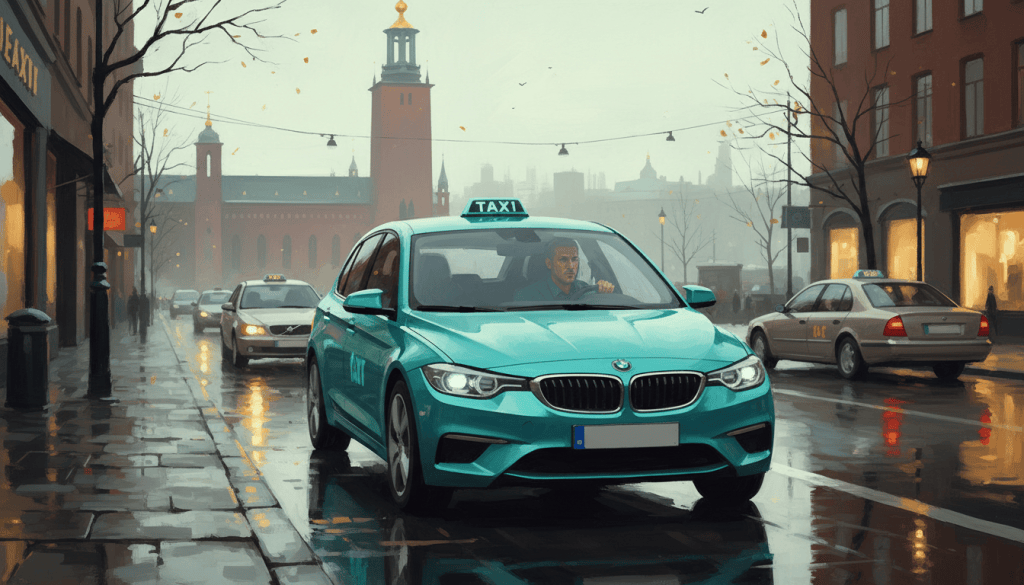
Image: AI-generated illustration.


Lämna ett svar